During I was chatting with my Japanese friend, I noticed one term that was not familiar with me.
As a matter of fact, when I went back to Japan last year, I noticed many people used this term. I heard this term more frequently by younger people rather than older people. I didn’t hear this term from my parents. My parents don’t watch the variety shows. Some older people might love to watch the variety shows, but probably not as younger people.
Based on my analysis, I guess this term was coined newly and recently by somebody, and it was spread mainly via television, especially via “variety shows”.
The term is “hobo-hobo.”
Hobo-hobo is a coined term. Based on my rough research, it started appearing in somebody’s Internet blog on the in 1999. I never heard of this term when I was living in Japan at that time, so it was not a huge hit. Sanseido, a Japanese publishing company publishing dictionaries and textbook, picked hobo-hobo as Best Dictionary New Word of the year 2016. Probably it was around this time when television commentators and talents started using this term.
When I mentioned it to my friend, she didn’t notice it was a coined term. It was obvious to me because I don’t live in Japan. I thought it interesting.

I am fascinated with language. That is why I majored in linguistics in university and graduate school. My theme of my graduate paper was about slang. I picked the novel The Catcher in the Rye written by J. D. Salinger. In my paper, I analyzed the terms that the main character Holden used depending on the situation and the person whom he was speaking to. My conclusion was we intuitively choose the best term depending on the situation and to the listeners.
Language is a living creature. The term itself is neutral. It depends on the user on how he/she uses the term to make it good or bad. We had better to be careful on each term when we speak.
♬ Any feedback? (^^♪
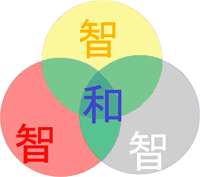
 three wisdom